

Common Dental Implant Complications and How a Prosthodontist Can Help
Blog:Common Dental Implant Complications and How a Prosthodontist Can Help
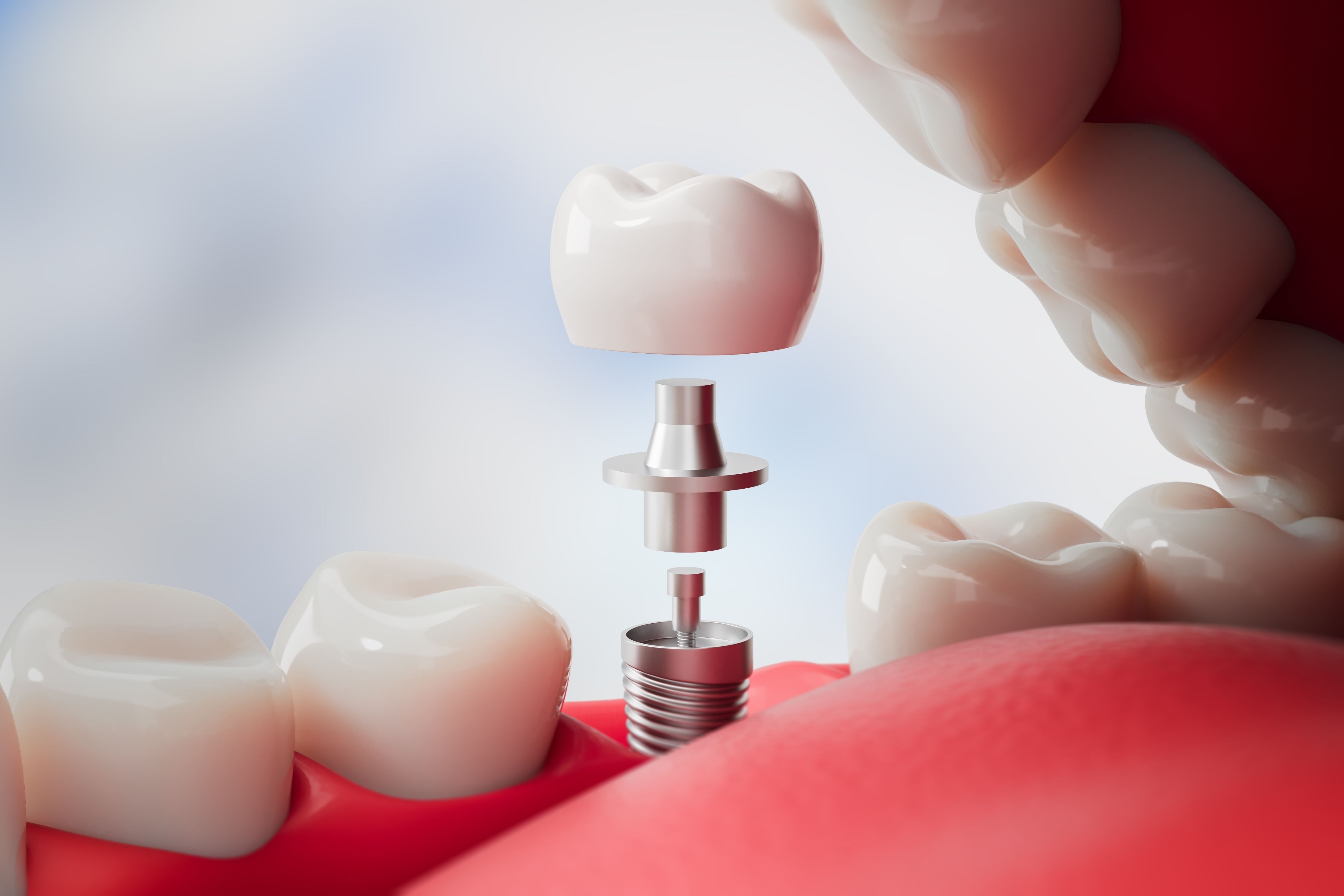
Dental implants are a reliable option for replacing missing teeth, but like any procedure, they can come with complications. Knowing what can go wrong and where to turn for help can protect your comfort, your investment, and your long-term oral health. For patients considering implants or dealing with post-implant concerns, working with a prosthodontist can make a meaningful difference in diagnosis, planning, and restoration success.
Why Complications Happen with Dental Implants
Most implant issues are preventable with proper evaluation, precise placement, and a restoration designed to match your bite and bone support. Complications may be related to healing, infection control, bone quality, bite forces, or the fit of the crown or bridge. Even small problems can worsen if ignored, so early assessment matters.
Early Healing Problems to Watch For
Some complications appear in the first weeks after surgery. Swelling and tenderness can be normal, but persistent pain, drainage, or an implant that feels unstable may signal a problem. Infection around the surgical site can interfere with healing and may progress to peri-implant disease. In other cases, the implant may not integrate with the bone as expected, which is called implant failure or lack of osseointegration. Identifying the cause quickly helps determine whether the implant can be stabilized or needs a different approach.
Peri-Implantitis and Gum Inflammation
Peri-implantitis is an inflammatory condition that affects the tissues around an implant and can lead to bone loss. It may start as mild irritation and bleeding, then progress to deeper infection and loosening. Risk factors can include a history of gum disease, smoking, inconsistent home care, or a restoration that traps plaque. Treatment can involve improved hygiene strategies, professional decontamination, and coordinated care to address the restoration design if it is contributing to inflammation.
Bite And Restoration-Related Complications
Not all implant problems are surgical. Many issues come from how the implant crown, bridge, or denture fits and functions. A restoration that is too high, poorly balanced, or not shaped to support the gums can lead to soreness, chipping, screw loosening, or excess force on the implant. In some cases, the implant is stable but the crown fails, which is a restorative complication rather than an implant failure. A prosthodontist focuses on these details, including bite alignment and material selection, to reduce avoidable breakdown.
Common Signs You Should Not Ignore
Patients often assume discomfort will fade on its own. These symptoms are worth evaluating promptly:
· Gum bleeding or swelling around the implant
· Bad taste, drainage, or persistent tenderness
· A crown that feels loose or shifts when chewing
· Pain when biting or new jaw soreness
· Food trapping around the implant crown or bridge
· Clicking sounds or repeated screw loosening
How A Prosthodontist Can Help with Implant Complications
A prosthodontist is a dental specialist trained in complex tooth replacement, including implant restorations and bite management. When complications arise, they can evaluate the implant stability, tissue health, and restoration fit to pinpoint the real cause. If the issue is restorative, adjustments, redesign, or replacement of the crown or bridge may solve the problem. If the issue involves infection, bone loss, or implant position, a prosthodontist can coordinate treatment planning and ensure the final restoration supports long-term health and function.
If you have complications from dental implants or if you would like find out if dental implants are right for you, contact Parikh Prosthodontics to schedule a consultation. Contact our office in Los Angeles, California, by calling (213) 281-9520 to book an appointment today.
Helpful Articles
article_category: products
article_category: psychiatry
article_category: faqs
article_category: cats
article_category: general
article_category: services
article_category: technology
article_category: dogs
article_category: restorative
article_category: vision therapy
article_category: contact lenses
article_category: health
article_category: conditions
article_category: eye surgery co-management
article_category: exotic
article_category: cosmetic
article_category: surgical procedures
article_category: aesthetics
article_category: preventative
article_category: ocular disease management
article_category: eyeglasses
article_category: eye health
article_category: large animal
[]
article_category: psychiatry
article_category: faqs
article_category: cats
article_category: general
article_category: services
article_category: technology
article_category: dogs
article_category: restorative
article_category: vision therapy
article_category: contact lenses
article_category: health
article_category: conditions
article_category: eye surgery co-management
article_category: exotic
article_category: cosmetic
article_category: surgical procedures
article_category: aesthetics
article_category: preventative
article_category: ocular disease management
article_category: eyeglasses
article_category: eye health
article_category: large animal
[]
Flowbite is an open-source library of interactive components built on top of Tailwind CSS including buttons, dropdowns, modals, navbars, and more.
Check out this guide to learn how to get started and start developing websites even faster with components on top of Tailwind CSS.

All Dental Services
We offer a wide variety of dental services to the Los Angeles community. Contact us with any questions about our services.

Keep In Touch
For non-urgent questions or to learn more about our services, contact us today!


Phone:
Office Hours:
- Monday 8:30am - 5:00pm
- Tuesday 8:30am - 5:00pm
- Wednesday 8:30am - 5:00pm
- Thursday Closed
- Friday 8:00am - 2:00pm
- Saturday Closed
- Sunday Closed
- Monday
- Tuesday
- Wednesday
- Thursday
- Friday
- Saturday
- Sunday
- Monday
- Tuesday
- Wednesday
- Thursday
- Friday
- Saturday
- Sunday
© 2026 Parikh Prosthodontics. All rights Reserved - Accessibility Statement - Privacy Policy - Sitemap
Powered by 