

Dental Bridges vs. Implants: What’s the Better Choice for You?
Blog:Dental Bridges vs. Implants: What’s the Better Choice for You?
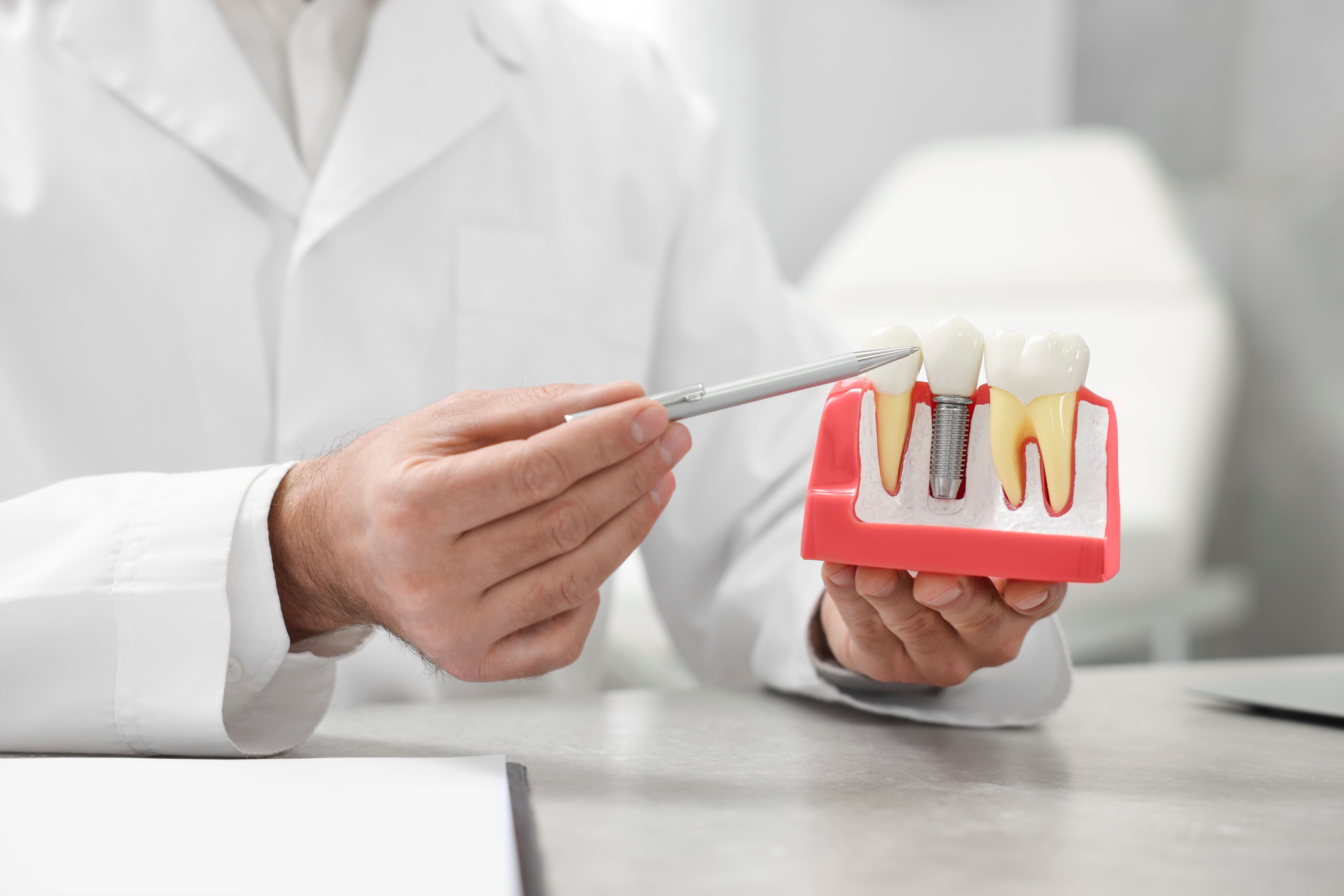
Missing a tooth can affect more than just your smile - it can influence your bite, jawbone health, and long-term oral function. Two of the most common options for replacing missing teeth are dental bridges and dental implants, but choosing the right solution depends on several important factors.
By understanding how these treatments differ - especially when it comes to bone health, surgical requirements, preservation of natural teeth, and longevity - you can make a confident, informed decision.
Bone Health: Preserving the Foundation of Your Smile
One of the most significant differences between dental bridges and implants is how they affect the jawbone.
Dental implants replace both the visible tooth and its root. The implant post integrates with the jawbone and provides stimulation during chewing, which helps maintain bone strength and prevents the bone loss that commonly follows tooth loss.
Dental bridges restore appearance and function but sit above the gumline and rely on neighboring teeth for support. Because bridges do not stimulate the jawbone beneath the missing tooth, gradual bone loss may occur in that area over time.
Surgery vs. Non-Surgical Treatment
The level of invasiveness is another key consideration when selecting a tooth replacement option.
Dental bridges are typically a non-surgical solution. Once the adjacent teeth are prepared, the bridge can often be placed in a relatively short timeframe.
Dental implants require a surgical procedure to place the implant post into the jawbone. While this involves a longer treatment process, implant surgery is highly predictable and routinely performed under local anesthesia. The additional healing time often results in a more stable, long-term outcome.
Impact on Surrounding Teeth
Preserving healthy teeth is an important part of long-term oral health.
Dental bridges require reshaping the natural teeth on either side of the missing tooth so they can support the bridge. Even teeth that are otherwise healthy must be altered to accommodate crowns.
Dental implants function independently and replace a single missing tooth without affecting adjacent teeth. This approach helps maintain the natural structure and strength of surrounding teeth.
Longevity and Long-Term Value
Durability is a major factor when considering tooth replacement.
Dental bridges typically last 10–15 years with proper care, but they may eventually need replacement due to wear, decay in the supporting teeth, or changes in the gums and jawbone.
Dental implants are designed for long-term success and can last decades or even a lifetime with good oral hygiene and regular dental visits. Their stability and durability often make them a more cost-effective solution over time.
A Stronger, Healthier Smile Starts with the Right Choice
Both dental bridges and implants can restore your smile and improve function, but the best choice depends on your oral health, bone structure, lifestyle, and long-term goals. At Parikh Prosthodontics, every treatment plan is customized to ensure lasting comfort, function, and confidence.
If you’re deciding between a dental bridge and an implant, expert guidance can make all the difference. Schedule a consultation with Parikh Prosthodontics to explore your options. Contact our office in Los Angeles, California, by calling (213) 281-9520 to book an appointment today.
Helpful Articles
article_category: products
article_category: psychiatry
article_category: faqs
article_category: cats
article_category: general
article_category: services
article_category: technology
article_category: dogs
article_category: restorative
article_category: vision therapy
article_category: contact lenses
article_category: health
article_category: conditions
article_category: eye surgery co-management
article_category: exotic
article_category: cosmetic
article_category: surgical procedures
article_category: aesthetics
article_category: preventative
article_category: ocular disease management
article_category: eyeglasses
article_category: eye health
article_category: large animal
[]
article_category: psychiatry
article_category: faqs
article_category: cats
article_category: general
article_category: services
article_category: technology
article_category: dogs
article_category: restorative
article_category: vision therapy
article_category: contact lenses
article_category: health
article_category: conditions
article_category: eye surgery co-management
article_category: exotic
article_category: cosmetic
article_category: surgical procedures
article_category: aesthetics
article_category: preventative
article_category: ocular disease management
article_category: eyeglasses
article_category: eye health
article_category: large animal
[]
Flowbite is an open-source library of interactive components built on top of Tailwind CSS including buttons, dropdowns, modals, navbars, and more.
Check out this guide to learn how to get started and start developing websites even faster with components on top of Tailwind CSS.

All Dental Services
We offer a wide variety of dental services to the Los Angeles community. Contact us with any questions about our services.

Keep In Touch
For non-urgent questions or to learn more about our services, contact us today!


Phone:
Office Hours:
- Monday 8:30am - 5:00pm
- Tuesday 8:30am - 5:00pm
- Wednesday 8:30am - 5:00pm
- Thursday Closed
- Friday 8:00am - 2:00pm
- Saturday Closed
- Sunday Closed
- Monday
- Tuesday
- Wednesday
- Thursday
- Friday
- Saturday
- Sunday
- Monday
- Tuesday
- Wednesday
- Thursday
- Friday
- Saturday
- Sunday
© 2026 Parikh Prosthodontics. All rights Reserved - Accessibility Statement - Privacy Policy - Sitemap
Powered by 