

The Role of Bite (Occlusion) in Long-Term Dental Health
Blog:The Role of Bite (Occlusion) in Long-Term Dental Health
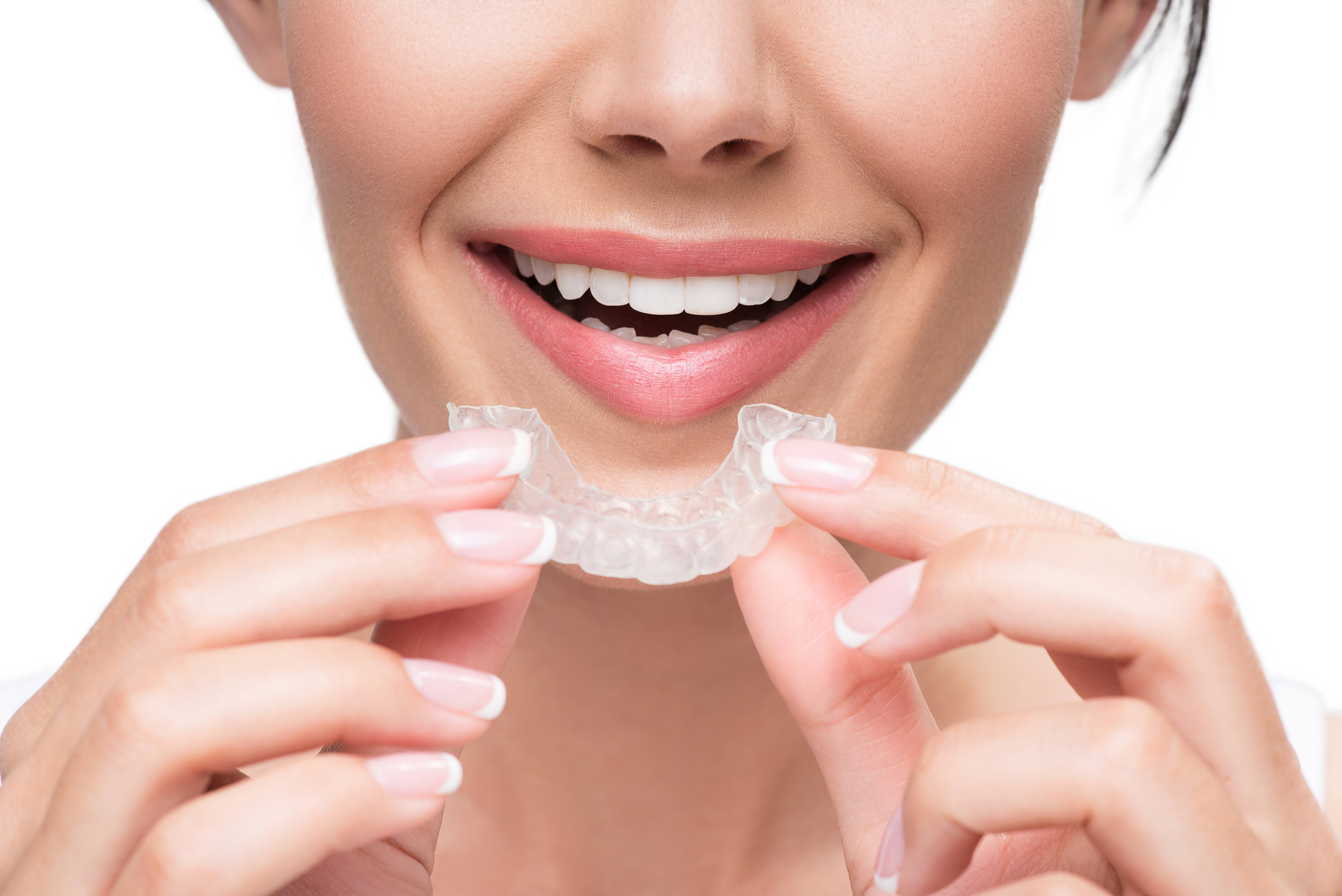
Your bite, also called occlusion, is the way your upper and lower teeth come together when you chew, speak, and rest your jaw. When your bite is balanced, chewing feels comfortable and pressure is distributed evenly across the teeth. When your bite is uneven, it can place extra stress on certain teeth, restorations, jaw joints, and surrounding muscles.
At Parikh Prosthodontics in Los Angeles, CA, bite evaluation is an important part of long-term dental health. A healthy bite supports the stability of your teeth, crowns, veneers, implants, bridges, dentures, and overall smile function.
Why Your Bite Matters
Many people think of dental health in terms of cavities and gum disease, but bite alignment also plays a major role. Every time you chew, your teeth absorb force. If that force is not balanced, certain teeth may take on more pressure than they should.
Over time, an uneven bite can contribute to tooth wear, cracks, sensitivity, sore muscles, jaw discomfort, and damage to dental restorations. For patients in Los Angeles with complex dental needs, bite issues can also affect how long restorative or cosmetic dental work lasts.
Signs Your Bite May Be Unbalanced
Bite problems are not always obvious. Some patients notice pain or chewing difficulty, while others only discover the issue during a dental exam. Signs of an occlusion problem may include:
- Teeth that feel uneven when you bite down
- Jaw soreness or clicking
- Frequent headaches or facial tension
- Worn, chipped, or cracked teeth
- Tooth sensitivity without a clear cavity
- Crowns, fillings, or veneers that keep breaking
- Clenching or grinding
- Difficulty chewing comfortably
- Gum recession around certain teeth
If these symptoms keep returning, your bite may need to be evaluated by a dental professional.
How Occlusion Affects Restorative Dentistry
Restorative dentistry depends on strength, precision, and proper bite support. A crown, bridge, veneer, denture, or dental implant must do more than look natural. It also needs to function well when you bite and chew.
If a restoration is too high, too low, or placed without considering the full bite, it may experience too much pressure. This can lead to discomfort, fracture, loosening, or premature wear. A prosthodontist is trained to evaluate the relationship between teeth, restorations, jaw movement, and long-term function.
Bite Problems And Tooth Wear
Tooth wear can happen gradually, especially for patients who clench or grind their teeth. Over time, enamel may become flattened, chipped, or thin. This can make teeth look shorter and feel more sensitive.
In some cases, tooth wear is not only a cosmetic concern. It can change the bite and create a cycle of additional stress. Patients in Los Angeles who notice worn teeth, jaw tension, or changes in the way their teeth meet may benefit from an occlusal evaluation.
The Connection Between Bite And Jaw Comfort
Your teeth, jaw joints, and muscles work together. When the bite is uneven, the jaw may have to shift to find a comfortable position. This can strain the muscles and joints, leading to soreness, clicking, tightness, or fatigue.
Not every jaw issue is caused by occlusion, but bite problems can be a contributing factor. A detailed dental evaluation can help determine whether your symptoms are related to tooth position, restorations, grinding, or another concern.
Why Bite Evaluation Is Important Before Major Dental Work
Before cosmetic or restorative treatment, your dentist should understand how your bite functions. This is especially important before full mouth reconstruction, dental implants, veneers, crowns, bridges, or dentures.
At Parikh Prosthodontics, treatment planning considers both appearance and function. The goal is to create dental work that looks natural, feels comfortable, and supports long-term stability. For Los Angeles patients investing in their smiles, this type of planning can help protect results over time.
Protecting Your Bite Long Term
If you clench or grind your teeth, a custom night guard may be recommended to help reduce excess pressure while you sleep. If your bite is uneven, treatment may involve adjusting restorations, replacing worn dental work, orthodontic planning, or a more comprehensive restorative approach.
The right solution depends on your teeth, jaw, bite pattern, and overall dental goals. With careful evaluation, your dentist can recommend a plan that supports both comfort and long-term oral health.
Schedule a bite evaluation with Parikh Prosthodontics, located at 8540 S Sepulveda Blvd, Suite 1115, Los Angeles, CA 90045. Call (213) 281-9520 to book your appointment.
Helpful Articles
article_category: products
article_category: psychiatry
article_category: faqs
article_category: cats
article_category: general
article_category: services
article_category: technology
article_category: dogs
article_category: restorative
article_category: vision therapy
article_category: contact lenses
article_category: health
article_category: conditions
article_category: eye surgery co-management
article_category: exotic
article_category: cosmetic
article_category: surgical procedures
article_category: aesthetics
article_category: preventative
article_category: ocular disease management
article_category: eyeglasses
article_category: eye health
article_category: large animal
[]
article_category: psychiatry
article_category: faqs
article_category: cats
article_category: general
article_category: services
article_category: technology
article_category: dogs
article_category: restorative
article_category: vision therapy
article_category: contact lenses
article_category: health
article_category: conditions
article_category: eye surgery co-management
article_category: exotic
article_category: cosmetic
article_category: surgical procedures
article_category: aesthetics
article_category: preventative
article_category: ocular disease management
article_category: eyeglasses
article_category: eye health
article_category: large animal
[]
Flowbite is an open-source library of interactive components built on top of Tailwind CSS including buttons, dropdowns, modals, navbars, and more.
Check out this guide to learn how to get started and start developing websites even faster with components on top of Tailwind CSS.

All Dental Services
We offer a wide variety of dental services to the Los Angeles community. Contact us with any questions about our services.

Keep In Touch
For non-urgent questions or to learn more about our services, contact us today!


Phone:
Office Hours:
- Monday 8:30am - 5:00pm
- Tuesday 8:30am - 5:00pm
- Wednesday 8:30am - 5:00pm
- Thursday Closed
- Friday 8:00am - 2:00pm
- Saturday Closed
- Sunday Closed
- Monday
- Tuesday
- Wednesday
- Thursday
- Friday
- Saturday
- Sunday
- Monday
- Tuesday
- Wednesday
- Thursday
- Friday
- Saturday
- Sunday
© 2026 Parikh Prosthodontics. All rights Reserved - Accessibility Statement - Privacy Policy - Sitemap
Powered by 